Home
Styrene and polystyrene have unique properties needed for carpet, insulation, countertops, baseboards, grout, faucets – and even the handles of our toothbrushes.


Styrene and polystyrene have unique properties needed for carpet, insulation, countertops, baseboards, grout, faucets – and even the handles of our toothbrushes.

Kitchen appliances benefit from the protective and resilient qualities of polystyrene while many types of food packaging use foam polystyrene to preserve food quality and safety.

In our vehicles, the dashboard, console, and steering column cover often contain styrene, as do the belts and hoses under the hood that keep the engine running. Styrene is also a critical material in the roads we drive on.

These materials go to work with us – literally! They are part of our keyboards, monitors, and picture frames. Even the safety of our water supply is entrusted to ion-exchange resins that contain styrene to remove impurities.

Whether sitting down to a feast or grabbing a snack on the go, polystyrene offers valuable properties for food packaging, utensils, and containers.

When it’s time to relax and unwind or dive into recreation, these versatile materials support us through swimming pools and hot tubs, bike helmets, the soles of our hiking boots, and even the cooler we pack for meals on the go.




Since joining AmSty in July 2022 as a Commercial Representative – Styrene, Ryan has embraced the opportunity to dive into a variety of roles within the company. Straight out of college, he saw the position as a hands-on learning experience where he worked with a variety of departments. In his words, "We’re on the frontlines every day," a challenging environment that has fueled his growth and determination to excel.
Ryan finds daily inspiration in his colleagues and values AmSty's strong customer focus, where efforts are geared toward putting the customer first. Outside of work, he’s happiest near a river, lake or mountain, pursuing fly fishing and his love for the outdoors. Ryan also strives to be the best husband, son, friend and sibling he can.
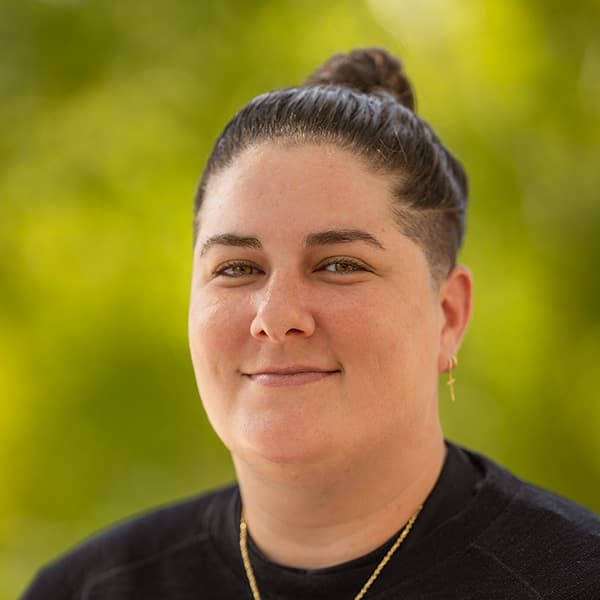
Carissa joined AmSty as an Account Management Specialist in October 2021, drawn to the company’s culture and the opportunity to transition from the oil and gas sector to the chemical industry. She quickly discovered that the collaborative, close-knit environment at AmSty was the perfect fit. Carissa particularly appreciates the family-like atmosphere and camaraderie within her team, which makes every workday enjoyable. She also takes pride in AmSty’s leadership in sustainability initiatives and is excited about being part of a company focused on forward-thinking environmental goals.
Outside of work, Carissa is a true “Jill of all trades,” spending her time on DIY home projects, from remodeling to furniture restoration and channeling her creativity and work ethic – a trait inspired by her hardworking father. When she’s not tackling a new project, Carissa enjoys quality time with her family and camping in the great outdoors. Known for her go-getter attitude, she aims to leave a legacy of determination and positivity at AmSty, guided by her motto, “Life’s tough, get a helmet.”

Since 2021, Brittni has served as the Customer Service Manager at AmSty, where she collaborates with a team of passionate individuals dedicated to customer success. Leading a team committed to going above and beyond, Brittni finds great fulfillment in fostering strong, transparent relationships with customers – earning their trust through honesty and dependability. She takes pride in consistently receiving positive feedback about her team’s efforts, reflecting the high standards they uphold.
Brittni is particularly proud of AmSty’s leadership in sustainability, including their top position in U.S. polystyrene recycling innovations. Volunteering alongside her children to recycle polystyrene, she brings this mission home, showing them the impact of their efforts in real products on store shelves. Driven by a belief that “it is more blessed to give than to receive,” Brittni’s legacy at AmSty is one of positivity, encouragement and compassion, qualities she shares freely both professionally and personally.

Mariela joined AmSty as an Account Management Specialist in June 2022, transitioning from a career in teaching. Drawn to AmSty by its positive culture, Mariela has found fulfillment in her role, especially in the camaraderie with her team. She enjoys the ever-evolving challenges of customer service, where there are always opportunities to grow and learn.
AmSty’s commitment to safety and employee well-being resonates deeply with Mariela, and she strives to leave a legacy as a friendly, dependable team member dedicated to excellent customer service. Outside of work, she proudly answers to the titles of dog mom and nature enthusiast, embracing her love for the outdoors and quality time with her furry best friend.

Since stepping into her role as an Account Management Specialist at AmSty in July 2022, Ashley has found joy in the strong connections she’s built, both with her team and her customers. Her proudest accomplishment lies in the relationships and trust she has nurtured – Ashley’s word is her bond, and when she commits, she follows through. Inspired by her family and friends, Ashley is driven to make them proud every day.
Outside of work, she is known by many titles including Mom, friend’s fashion stylist and family comedian. Ashley is a music enthusiast who lives for live events, from concerts to drive-in movies and kids' shows. Living by the words of Charlie Chaplin, “A day without laughter is a day wasted,” Ashley brings fun, warmth and dedication to both her professional and personal life.

After a career in healthcare that involved multiple relocations, Chris was excited to settle in at AmSty. Taking on the role of Account Management Specialist in 2018, Chris was drawn to AmSty’s values, mission and supportive community. Working alongside a close-knit Account Management Specialist team that he calls family, Chris appreciates the humble nature and dedication of his coworkers and the meaningful connections they’ve built.
Chris takes pride in supporting customers, particularly through challenging situations. Guided by Denzel Washington’s words, “Without commitment, you’ll never start. But more importantly, without consistency, you’ll never finish,” Chris applies his commitment to both work and community. Outside the office, he’s an active member of AmSty’s DEI and Community Involvement Committees and enjoys quality time with his family, attending sporting events and going to concerts.

Coby, who joined AmSty as an Account Management Specialist in June 2022, appreciates the company’s positive work environment and the opportunity for a good work-life balance. He is inspired and energized by his co-workers at AmSty, where he’s committed to leaving a legacy as a dedicated employee who is always ready to lend a hand.
Coby is a proud combat veteran, having served 21 years in the Army National Guard – a career that he considers one of his greatest achievements. Outside of work, he wears many hats: father, husband and coach. His passions include real estate and training young athletes, where he takes pride in helping them develop their skills. For Coby, giving back to his community and supporting others is at the heart of everything he does.

Hazel joined AmSty as an Account Management Specialist (AMS) in July 2022, drawn by the company’s mission, values and innovative approach. She values AmSty’s collaborative work environment, especially within her closely-knit AMS team, where open communication and trust create a strong foundation for teamwork and success.
Dedicated to fostering a positive work culture, Hazel aims to leave a legacy of collaboration, respect and commitment to customer care. Outside of work, she cherishes time with her husband and kids and enjoys running as a favorite pastime that helps her stay energized and focused.

Megan began her journey at AmSty as a receptionist and quickly moved up to an Account Management Specialist (AMS) role, ultimately becoming the AMS Team Lead. She finds great satisfaction in working with her supportive, friendly team, embracing the challenges that come with problem-solving in her department. Her path from temporary roles to leadership is driven by a strong work ethic and dedication to her team’s success.
Outside of work, Megan is a devoted “Baseball Mom” to her three young children – JD, Danny and Riley – who keep her and her husband Justin on the move with sports and activities. Inspired by her family, she strives to set an example of hard work and balance. In her free time, she explores her creative side through graphic design, photography, crafts and playing piano, a skill she’s enjoyed since first grade.

Con 14 años en las instalaciones de AmSty en Cartagena, Patricia ha construido una carrera definida por la dedicación, la responsabilidad y el excepcional servicio al cliente. Habiendo trabajado anteriormente para Dow Chemical en Colombia y México, sabía que AmSty sería la opción adecuada, ya que ofrecería un entorno dinámico en el que podría generar un impacto significativo.
Patricia se enorgullece de diferenciarse a través de su arduo trabajo y experiencia, esforzándose siempre por brindar un servicio excepcional. Valora el compromiso de AmSty con la innovación, la calidad y la sostenibilidad, que ayudan a la empresa a destacarse en la industria.
Más allá de su rol profesional, Patricia es una viajera y se inspira en quienes enfrentan la adversidad con resiliencia, ya sea superando luchas personales, desafíos de salud o conflictos globales. A través de su dedicación y responsabilidad, espera dejar un legado duradero en AmSty, uno que refleje su pasión por la excelencia y el servicio.

La trayectoria de Jennifer con AmSty comenzó en enero de 2017 como contratista asistente de logística en las instalaciones de Cartagena. A lo largo de los años, su dedicación y pasión por el aprendizaje la ayudaron en su transición al Servicio al Cliente. En octubre de 2024, se convirtió oficialmente en empleada de AmSty como especialista en gestión de cuentas. Se sintió atraída por AmSty por su sólida reputación y lo vio como un gran lugar para crecer y desarrollar sus habilidades comerciales.
Lo que más le gusta a Jennifer de su trabajo es conectarse con la gente, tanto con sus colegas como con sus clientes. Le encanta ayudar a los clientes y visitar la planta para ver los procesos de primera mano. Su mayor logro profesional es la confianza que ha construido con sus líderes, lo que le ha permitido crecer en su carrera y aportar lo mejor al equipo.
Para ella AmSty se destaca por la calidad y el profesionalismo de su gente, su compromiso con la seguridad y el medio ambiente, y los sólidos beneficios brindados a los empleados. Pero fuera del trabajo, su título más importante es "ser mamá". Pasar tiempo con su hijo, apoyar su crecimiento y explorar el mundo juntos es su mayor alegría.
En su tiempo libre, Jennifer estudia inglés, disfruta de los viajes a la playa, las noches de cine, reencontrarse con viejos amigos y salir al parque con su hijo. A ella le encanta la comida de mar, especialmente el pescado frito con arroz con coco que prepara su padre.
Su inspiración es su familia, es su motivación para trabajar duro cada día, ser amable y generar un impacto positivo en las demás personas.
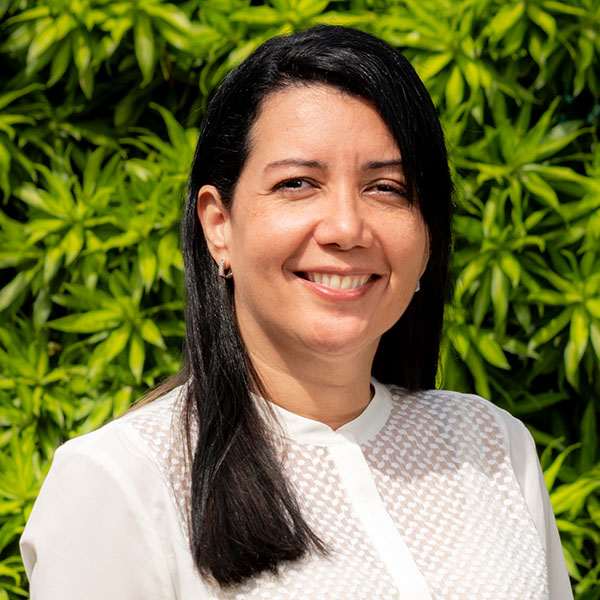
Durante los últimos 14 años, Gisela ha sido una parte valiosa del equipo de AmSty Cartagena, aportando calidez, dedicación y servicio excepcional a su función de Atención al Cliente. Atraída por el liderazgo de AmSty en la industria del poliestireno, también estaba entusiasmada por la oportunidad de regresar a Cartagena después de pasar casi una década en Barranquilla.
Lo que más disfruta Gisela de trabajar en AmSty es la gente. Sus compañeros de trabajo se han convertido en amigos, creando un ambiente divertido y de apoyo. Se siente muy orgullosa de las sólidas relaciones que ha construido con los clientes a lo largo de los años, algo que considera su mayor logro profesional. También aprecia la sólida cultura de seguridad, el compromiso con la sostenibilidad y los beneficios para los empleados de AmSty.
Fuera del trabajo, Gisela encuentra inspiración en su hijo y su familia, creyendo que el amor y la bondad son verdaderos superpoderes. Es miembro activo de Guadalupanas, un pequeño grupo de oración dedicado a honrar a Santa María, hablar sobre la fe y participar en trabajo social. También disfruta de la comida italiana y encuentra motivación en “En busca de la felicidad” una película que destaca la perseverancia y el trabajo duro.
Siguiendo el lema “No dejes para mañana lo que puedes hacer hoy”, Gisela continúa marcando la diferencia en AmSty, aportando dedicación y positividad a todo lo que hace.

During his 13 years at AmSty, Corbin has served in various analyst and logistics roles. He values working alongside colleagues who consistently go above and beyond to make the near‑impossible a reality in serving customers. Corbin played a key role as logistics lead during the implementation of AmSty’s S4 HANA system, helping guide a complex project to successful completion. He is known for his collaborative approach and enjoys working with people who care about one another and take pride in serving others.
Outside of work, Corbin is an avid wildlife photographer and enjoys traveling across Texas and beyond to capture beautiful moments. He loves spending time outdoors camping, exploring backroads and enjoying nature. A fan of science fiction and epic storytelling, his favorites include Interstellar and The Stormlight Archive series.